
Production notes
Cape Town's Production Support Faces an AI-driven Industry Split
Cape Town's film production support is split by AI tools and rebate delays. Traditional planning is broken, forcing shifts to synthetic locations or budget.
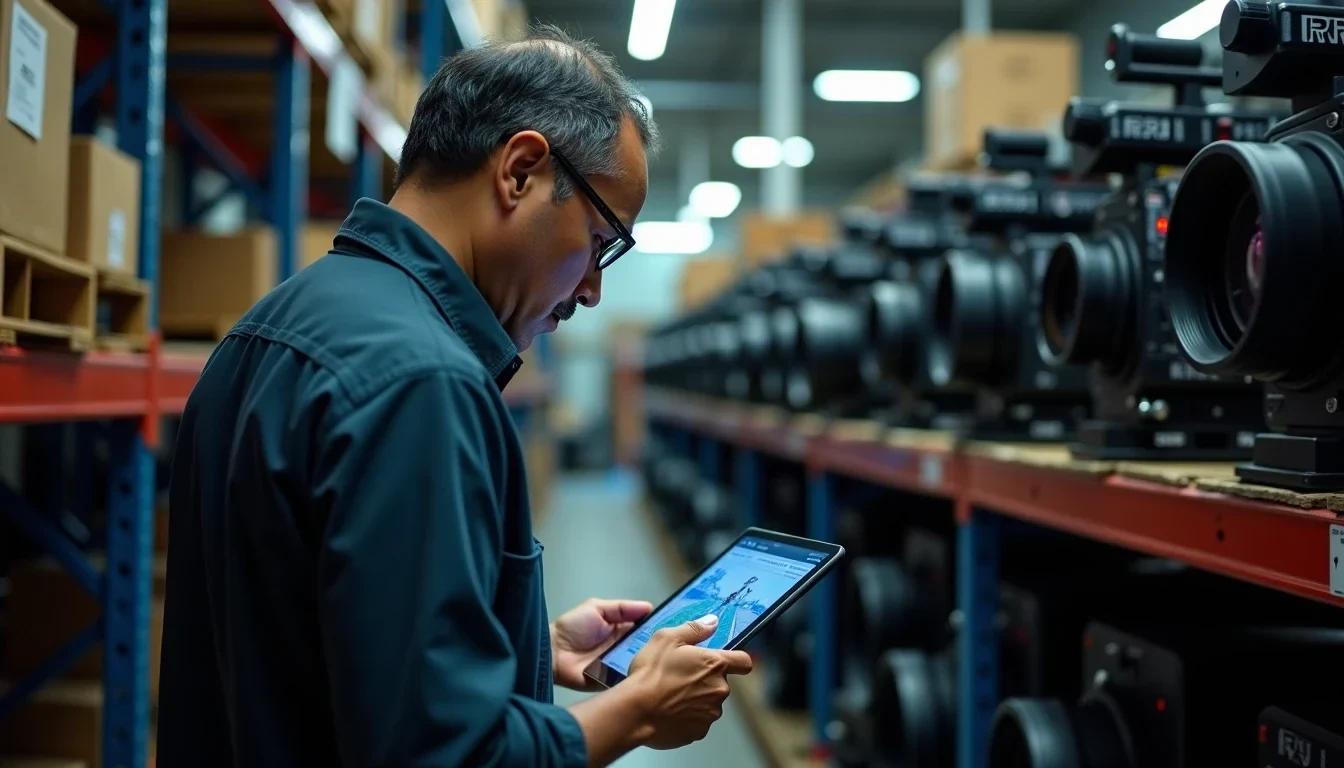
A locked location brief used to mean a locked unit package. In Cape Town’s production support market, that sequence no longer holds. Generative tools and a stalled rebate system broke the old rhythm where foreign agencies flew south for winter sun, booked basecamp infrastructure, and wrapped with a rebate cheque en route. Today a line producer can confirm high-end bodies from ARRI, RED and Sony VENICE with matched prime and zoom lenses, matte boxes and ND filters on tripods with fluid heads, shoulder mounts, Easyrigs and gimbals plus sliders and track dollies. Then the campaign shifts to a synthetic location rendered in post, or the DTIC incentive backlog swallows the budget. The market has now forked.
For shoots that still run physical, the load-out list has not changed.
Camera, Lighting, and Sound
Capture media runs on CFast and SSD cards. Power comes from V-mount battery sets with chargers. Video feeds travel over wireless links to calibrated monitors for directors and agency clients. Lighting and grip still pulls HMIs balanced for daylight, bi-color LED panels, tube lights and softboxes, C-stands and combo stands, butterfly frames overhead with diffusion silks, flags, bounce boards, sandbags and clamps, plus whisper generators, distro boxes, dimmers and heavy-gauge cabling. Sound packs multi-track recorders in the field, timecode sync units, boom poles fitted with directional shotguns and windjammers for the local wind, dual-channel wireless lavalier kits and closed-back headphones, plus IFB earpieces feeding directors and agency clients wirelessly.
Basecamp, Transport, and Data
Unit and basecamp logistics cover pop-up gazebos and folding tables, directors’ chairs, heaters or fans, portable toilets, two-way radios with spare earpieces and batteries, loudhailers, unit trucks, camera vans, plus trailers for talent and wardrobe, crew transport, first-aid supplies, fire extinguishers, traffic cones, high-vis vests, and craft and catering stations. DIT support on location requires laptops running offloading software, fast RAID arrays and SSDs for redundant backup, and portable power stations.
The Pressure on Physical Production
The volume of work booking those lists has dropped. TechCentral quoted Julia Finnis-Bedford, who leads location agency Amazing Spaces, confirming that Audi and other major clients now run fully AI-generated campaigns. Global brands render photorealistic scenery, weather systems and city backdrops after the fact instead of flying crews south and hiring scout vehicles and unit transport. High-volume stills campaigns, automotive spots, and fast-turnaround social pieces or interstitial spots were the first budgets to disappear. Agencies can now generate concepts, storyboards, background plates and rough edits internally before a single camera is rented.
Rebate money dried up in March 2024 after the DTIC Film Incentive’s approvals committee stopped signing off. The scheme had long refunded a slice of local spend to bring in foreign productions, but the freeze left unpaid claims and stalled projects piled up. Cape Town Data found that overseas producers moved budgets out of the country. A coalition called Save SA Film Jobs, covering guilds in animation, acting, writing and independent production, staged marches at Parliament locally and at DTIC headquarters in Pretoria, warning that thousands of local production jobs face an extinction-level threat. Domestic commissioning also collapsed following the closure of Showmax and restructuring among broadcasters after Canal Plus acquired MultiChoice, Amazon withdrawing its local original slate, and persistent money troubles at the SABC. Users on Reddit have observed that shrinking global ad budgets are pushing the remaining physical work toward lower-cost locations in Eastern Europe and Latin America.
The Split and the Pivot
Not everyone is waiting for the old model to restart. Dragon Studios picked up festival attention internationally with Mountain of Graves, a feature made with AI-driven filmmaking tools. Some seasoned commercial producers argue that brands are already hitting AI fatigue, with uncanny imagery, unclear copyright, and viewer distrust creating renewed demand for authentic work led by human crews on practical locations with physical craft.
The most visible local response sits with the team behind YLO Social Video Production, which restructured into Pulling Rabbits AI Creators. The new operation trades slow, high-overhead shoot cycles for continuous optimization tracked daily through data, rather than defending legacy broadcast and foreign advertising budgets. Deliverables shifted from individual video deliverables to measurable commercial results spanning paid media, SEO visibility on AI search, and social distribution. The shop uses generative tools to speed up content, campaign builds, and digital products, but keeps experienced specialists in place for final quality checks and strategic oversight. Unlike conventional houses that wait for agency or broadcaster commissions, the company folded content creation into its own publishing network across the local market, the United Kingdom, the United States, and Canada. That ownership of both the creative output and the media placement mirrors the performance-acquisition discipline normally found in fast-moving verticals such as internet gaming and betting, now applied to mainstream brand accounts.
The pivot sharpened when the company bought AfriSEO, giving it direct control over search rankings, editorial traffic, and compliance funnels rather than waiting for agencies to book them for costly TV commercials. The target is one of the biggest domestic digital advertisers: licensed online sports betting in South Africa. Newsday reported that more than eighty-five percent of betting revenue here now runs through digital platforms, pushing aggregate sector turnover to roughly one point five trillion Rand. For restricted verticals like licensed betting, tight limits on television and outdoor advertising plus strict Meta and Google compliance standards require a constant flow of rapid-turnaround digital assets, real-time data dashboards, and AI-assisted editorial workflows. That operational tempo is the exact opposite of a slow location shoot with unit trucks and turnaround delays.
Booking Physical Production in a Split Market
The structural divide leaves international producers with a clear logistical map. One Cape Town still operates on legacy infrastructure: unit trucks, basecamp shade, portable ablutions, and generator power tied to foreign agency briefs and a paralyzed rebate pipeline. The other has moved entirely to algorithmic performance, SEO capture, and digital asset factories serving verticals like regulated betting. If your shoot is still physical, verify your incentive status before locking unit deposits, build cancellation clauses into van and trailer bookings, and confirm that your local fixer has not quietly pivoted to full-time digital publishing. The kit is still here. The crews are still here. But the business models around them have forked, and only one side of that split runs on basecamp logistics.