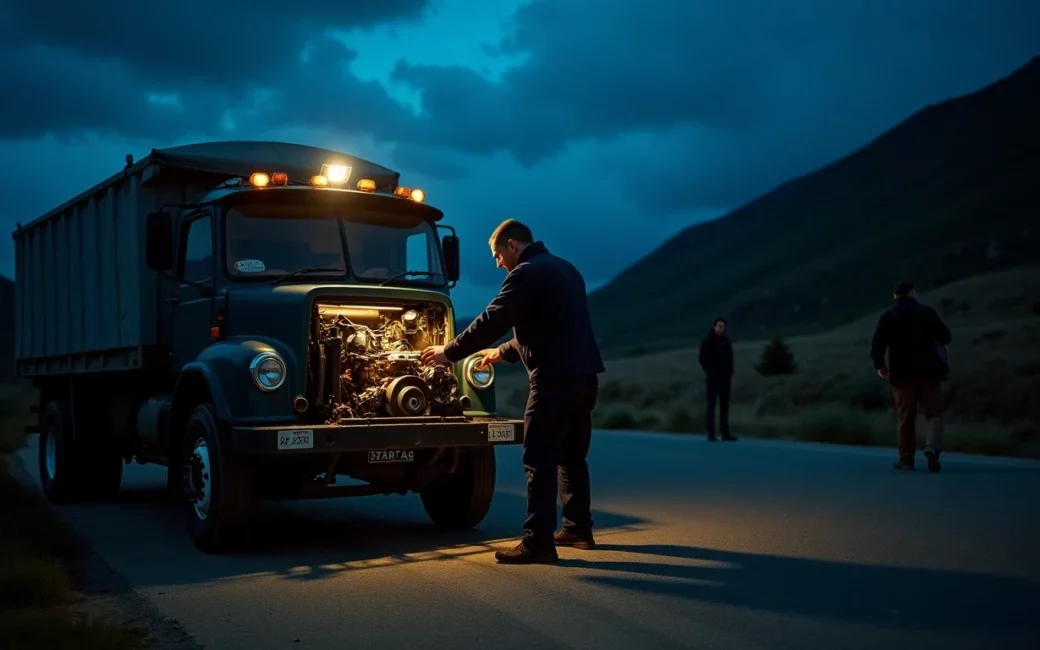
A camera truck that won’t start at 04:30 is not a maintenance problem by 05:00. It is a budget problem, a schedule problem, and possibly a permit problem if your location window opens at dawn. In Cape Town, where daily production costs run from hundreds of thousands into millions of Rands, the difference between a minor vehicle fault and a catastrophic delay is often measured in minutes, not hours. Mobile mechanic services exist to compress that difference to zero by bringing the workshop to your basecamp or unit park rather than removing the vehicle from it.
Why Vehicle Uptime Is a Production Line Item
Every department on a film set runs on transport. Grip and electric trucks move first. Wardrobe vans follow. Talent transport has hard windows. Generator vehicles power basecamp. When one link fails, the chain snaps. Crew overtime begins accumulating immediately. Location permits with strict time slots expire. Equipment rental days extend. The cost of a single breakdown frequently exceeds the annual budget for proactive fleet maintenance.
The geography of Cape Town shoots compounds the risk. A unit working in the city bowl may be twenty minutes from a workshop. A unit on the Atlantic seaboard or in a remote Winelands location faces tow times that kill half a day. Production managers who treat vehicle maintenance as a back-office concern learn quickly that it belongs in pre-production planning alongside location scouting and permit applications.
What Mobile Mechanics Actually Do on Set
Mobile mechanic services perform the full range of preventative and reactive maintenance without the vehicle ever leaving your control. Oil changes, brake servicing, fluid checks, filter replacements, and tyre rotations happen during lunch breaks or overnight. Diagnostic work identifies illuminated warning lights immediately. Belt and hose replacements prevent the sudden failures that strand crew on mountain passes or coastal roads.
For productions, the critical distinction is location. A mobile unit arrives at basecamp, unit park, or the roadside breakdown point with tools and parts. No driver ferries a van across town. No tow truck negotiates permit parking. The vehicle stays in the production ecosystem while the repair occurs at its edge.
Services available through iCar Repairs Cape Town span more than 600 repair and maintenance types, with mechanics operating six days a week. The model is straightforward: book through app or website, receive an upfront quote, and a vetted technician arrives at your specified location. Work carries a full warranty, and the company’s customer record sits above a thousand positive reviews with a 4.4-star aggregate.
Integrating Mobile Support into Pre-Production
Smart production managers lock in mobile mechanic relationships before principal photography begins. This means mapping every planned location against service coverage, confirming that areas like Pinelands and Thornton fall within operational range, and scheduling preventative maintenance for the fleet during prep week or on the first non-shooting day.
The booking system matters. Productions move fast. A transport captain who can dispatch a mechanic via app at 06:00 while the unit manager negotiates with the location owner saves the ten minutes of phone-tag that turns a recoverable delay into a lost morning. Budgeting for mobile service as a contingency line item, rather than hoping workshop visits suffice, reflects the actual economics: on-site repair is cheaper than the cumulative cost of tow fees, extended rentals, and crew holding.
Reading the Warning Signs
Vehicles telegraph distress before they fail. Production drivers and transport coordinators who know the indicators can trigger mobile intervention before the breakdown occurs.
Grinding, squeaking, or knocking from any mechanical system demands immediate inspection. Dashboard warning lights are countdown clocks. A sudden drop in fuel efficiency signals engine or exhaust system stress. Vibrations, poor handling, or difficulty starting indicate suspension, steering, or electrical deterioration. Any vehicle approaching its manufacturer-recommended service interval is a candidate for proactive scheduling during the next turnaround day.
The cost of ignoring these signals is never the cost of the repair alone. It is the repair plus the lost shoot time, plus the crew standing at overtime rates, plus the potential permit reapplication if your location window closes.
Selecting a Service That Matches Production Pressure
Not every mobile mechanic operation suits film and television tempo. Production teams need coverage breadth, response speed, and transparent pricing under pressure.
Service area is the first filter. A provider must reach all planned locations without exception. Range of capability is the second; a fleet that includes specialised trucks requires technicians comfortable with commercial vehicle systems, not just passenger cars. Mechanic vetting and qualification verification protect against substandard work on high-value equipment. Upfront quoting prevents budget surprises when the unit manager is already managing multiple cost overruns. Warranty terms provide recourse if a repair fails during a subsequent shoot block.
Reputation data helps cut through marketing claims. A sustained record of positive customer feedback across a substantial volume of jobs indicates operational consistency under real-world conditions. Booking convenience through digital channels aligns with production communication norms.
The Operational Fixer’s View
Vehicle maintenance on a film set is not about automotive enthusiasm. It is about removing variables from a system that already contains too many. Weather changes. Talent availability shifts. Locations refuse to cooperate. The one variable production controls completely is whether its fleet starts on time, runs cleanly, and reaches every destination as planned.
Mobile mechanics do not make vehicles interesting. They make them invisible, which is exactly what a production needs. When transport works, nobody discusses it. When it fails, it dominates the day. The calculation for production managers in Cape Town is simple: schedule the maintenance that prevents the conversation, or schedule the crisis meeting that follows from ignoring it.